The 2004 François Guizot Prize
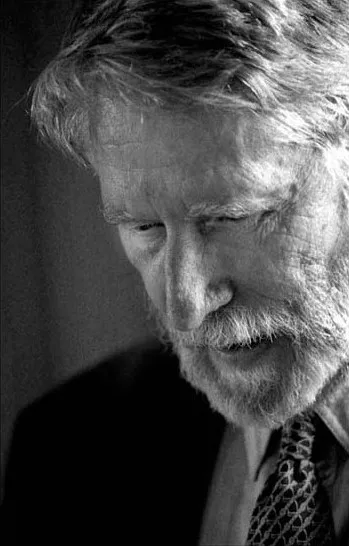
The sixth Prix Guizot of the Calvados General Council was awarded to Simon Leys for his latest book, Les naufragés du Batavia [The Wreck of the Batavia] (Arléa), and for his work as a whole, in particular three recent books: La mer dans la littérature française [The Sea in French Literature] (Plon), Protée [Proteus] (Gallimard) and the Essais sur la Chine [Essays on China] (Robert Laffont, Bouquins series).
Simon Leys, Belgian by birth and now living in Australia, is one of the finest observers of modern China. His Essais sur la Chine, lifting the veil with which the West covers this vast and complex country and overturning all received ideas, offer a fresh, lucid and penetrating view of the China of Mao and his successors. In 1971, on his publisher’s advice, he decided to adopt a pen name before publishing Les Habits neufs du président Mao [The Chairman’s New Clothes], so as not to risk becoming persona non grata in the People’s Republic of China. He chose “Leys” as his surname, a reference to the character in Victor Segalen’s novel René Leys, published in 1922, and “Simon” as his first name, a reference to the original name of the apostle Peter.
Simon Leys is a member of the Royal Academy of Belgium, where he succeeded Georges Simenon.
Les naufragés du Batavia [The Wreck of the Batavia]
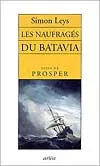
In Les naufragés du Batavia, Simon Leys recounts a horrific tragedy that took place off the coast of Australia in 1629 and made a deep impression on contemporaries: the 300 survivors of the wreck of a Dutch East India Company ship soon fall under the sway of a bloodthirsty psychopath who, with a few followers, sets about massacring them in order to establish a derisory and short-lived power. But resistance takes shape… The account is very short; written in the form of a summary of the facts, it gains all the more dramatic force. One follows with horror the relentless process by which power is seized by a man of no stature but backed by an ideology he is able to make others share. It could have been a horror tale, a metaphor for the establishment of a totalitarian regime. Sadly, it is an abominable and prophetic true story, whose telling leads the reader to question human behaviour… and to reflect.
© Source: D. Pain / Service du Patrimoine du Calvados
Publisher | Edition Arléa |
Year of parution | 2003 |
Number of pages | 120 |
ISBN | 2-86959-623-5 |
Website |
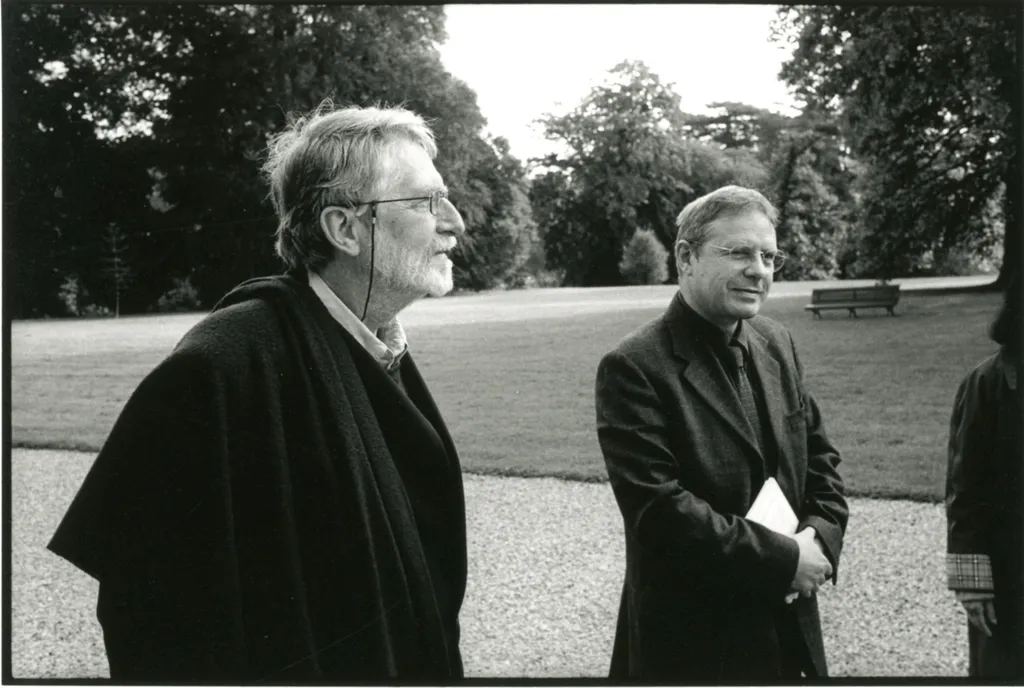

Speech by Catherine Coste, President of association François Guizot.
Speech by Jean-Claude Casanova.