Conference held on March 14, 2024 at the Quai d’Orsay (Ministry of Europe and Foreign Affairs)
Minister of Foreign Affairs from October 1840 to February 1848, François Guizot was one of the key figures in the international politics of the early 19th century. The Ministry of Foreign Affairs owes its decision to build its headquarters on the Quai d’Orsay to him, the first stone of which was laid in November 1845. A rigorous organizer, he did much to expand and professionalize the diplomatic and consular network, notably by opening consulates general in almost all Latin and South American states, and to support French educational establishments abroad and missions.
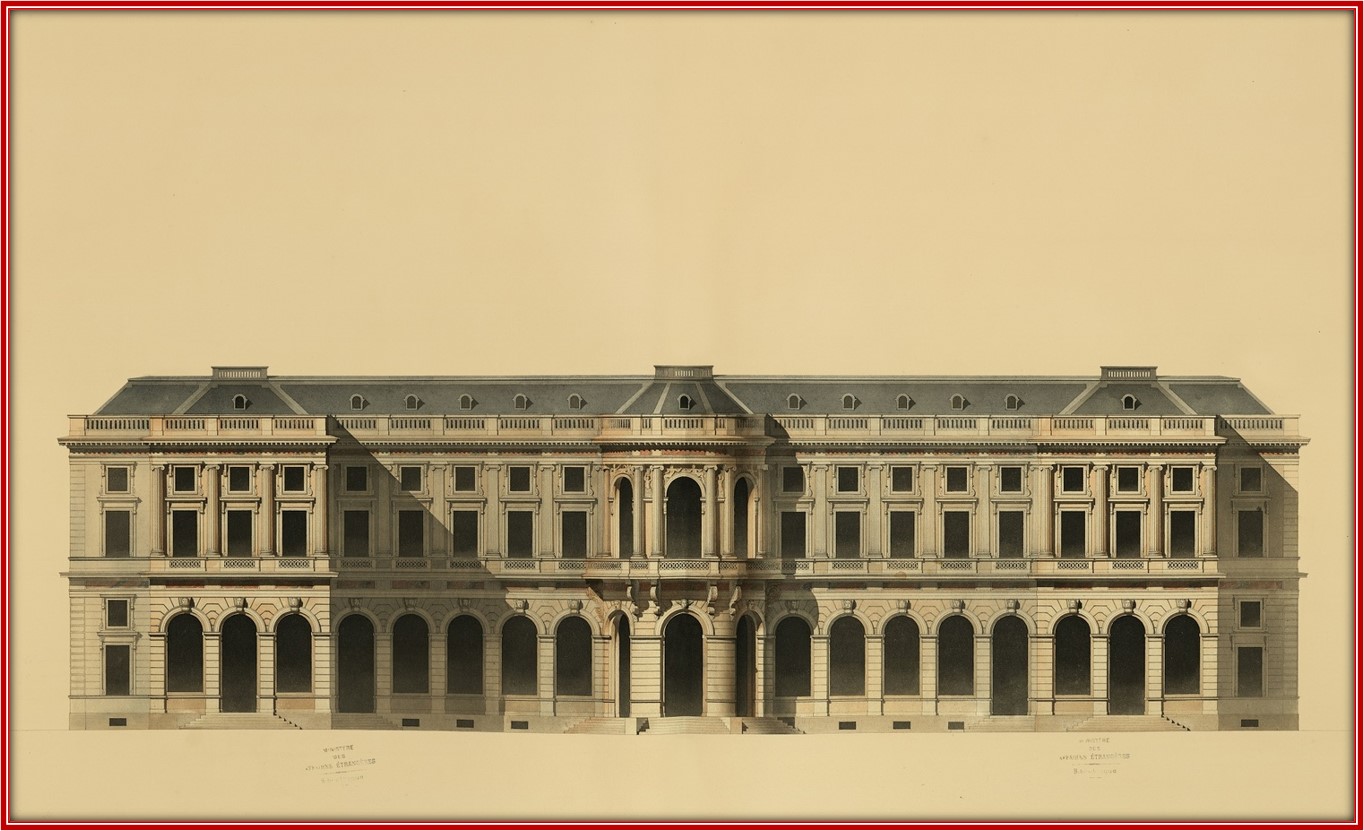
Archives of the Ministry of Foreign Affairs, iconographic collection, Alb-D-27, A020601
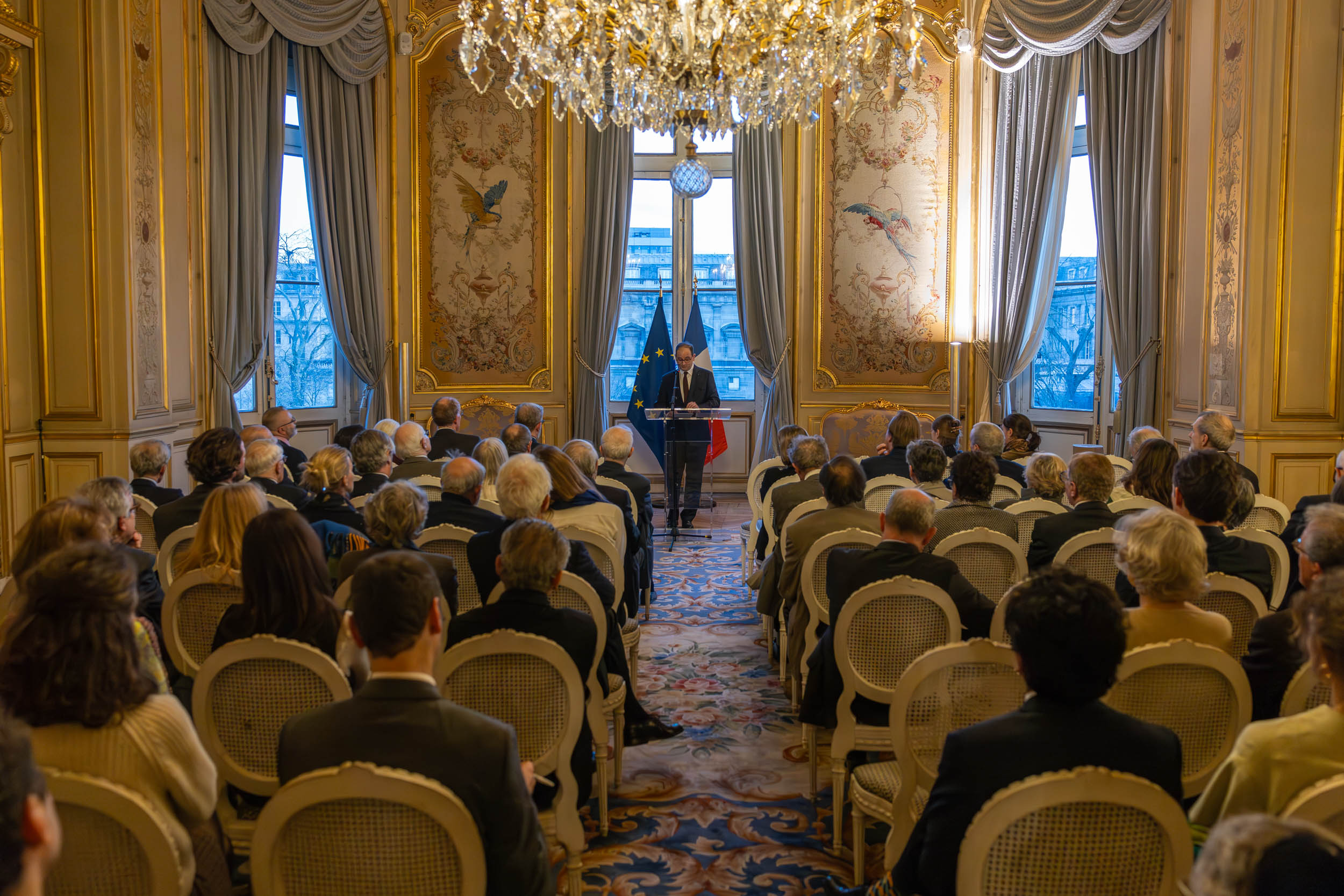
In this context, the Ministry of Europe and Foreign Affairs and the Association François Guizot wanted to highlight Guizot’s role in the French Foreign Office and his commitment to the first Franco-British rapprochement in the 19th century. On March 14, a conference followed by a debate was organized at the Quai d’Orsay for an audience of personalities from the worlds of culture, higher education, business and politics, and diplomats interested in the history of international relations, and particularly in the figure and achievements of François Guizot.
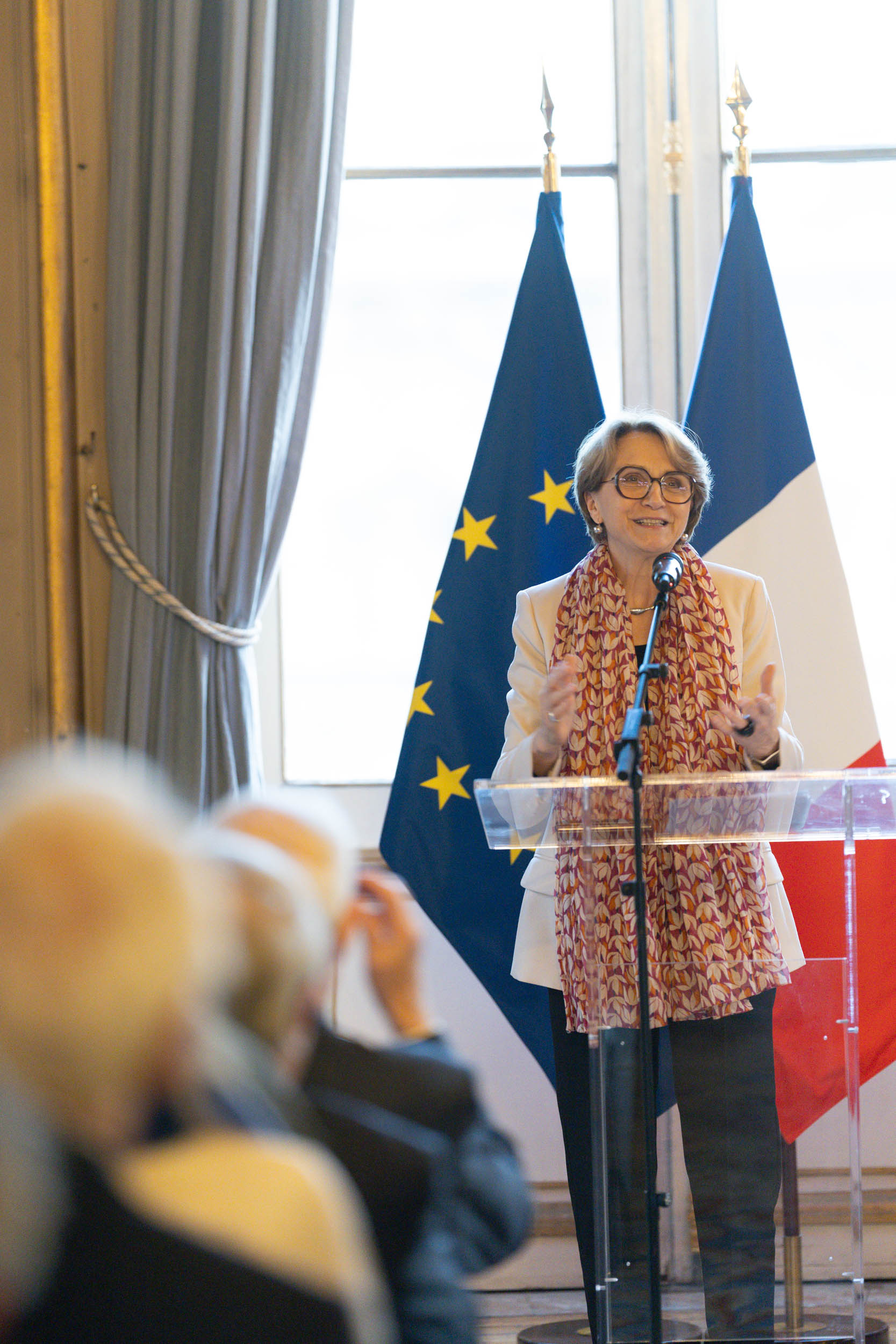
Anne-Marie DESCÔTES,
Secretary General of the Ministry of Europe and Foreign Affairs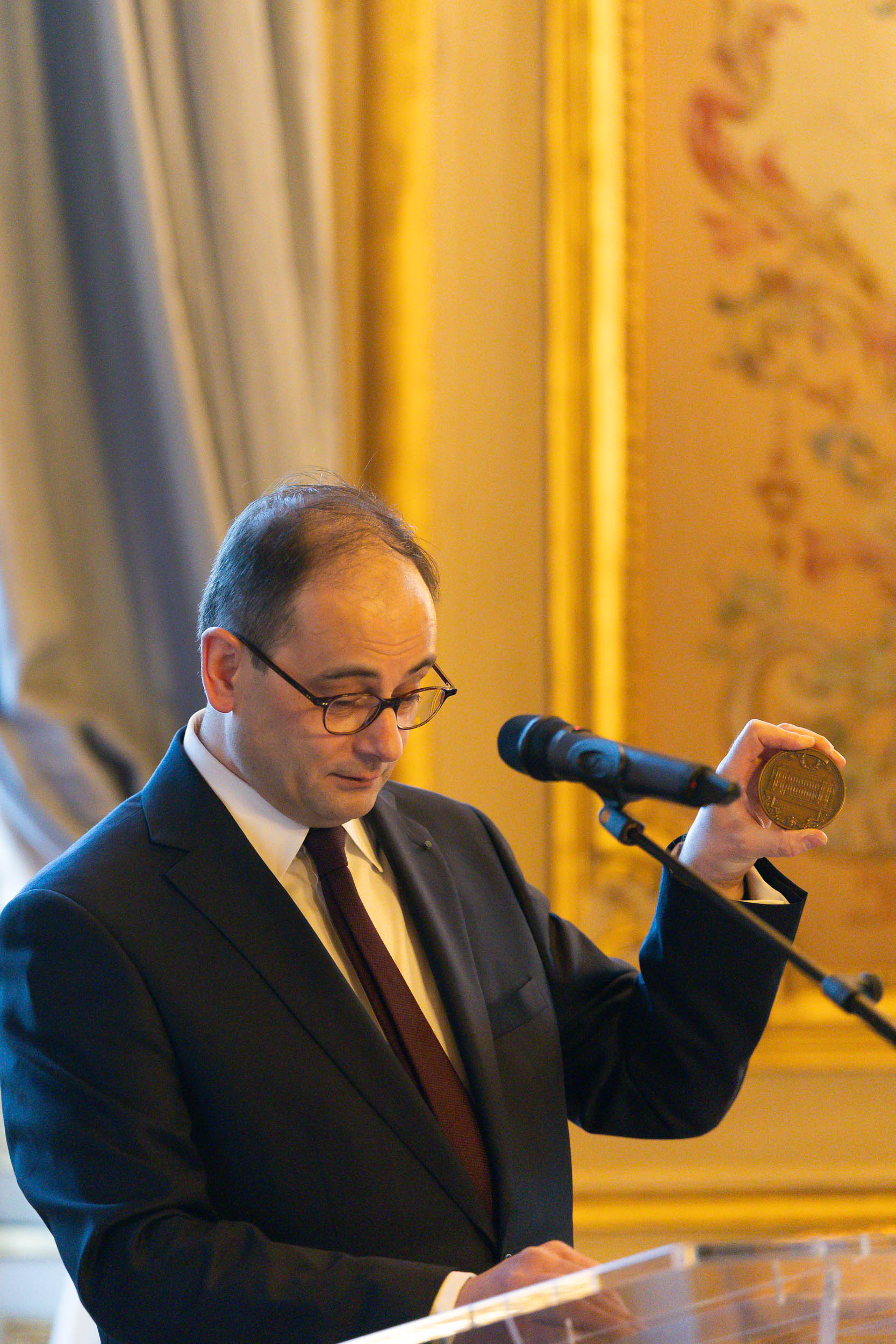
Yves Bruley,
Institute correspondent
Stéphane Coste,
Président of association François Guizot
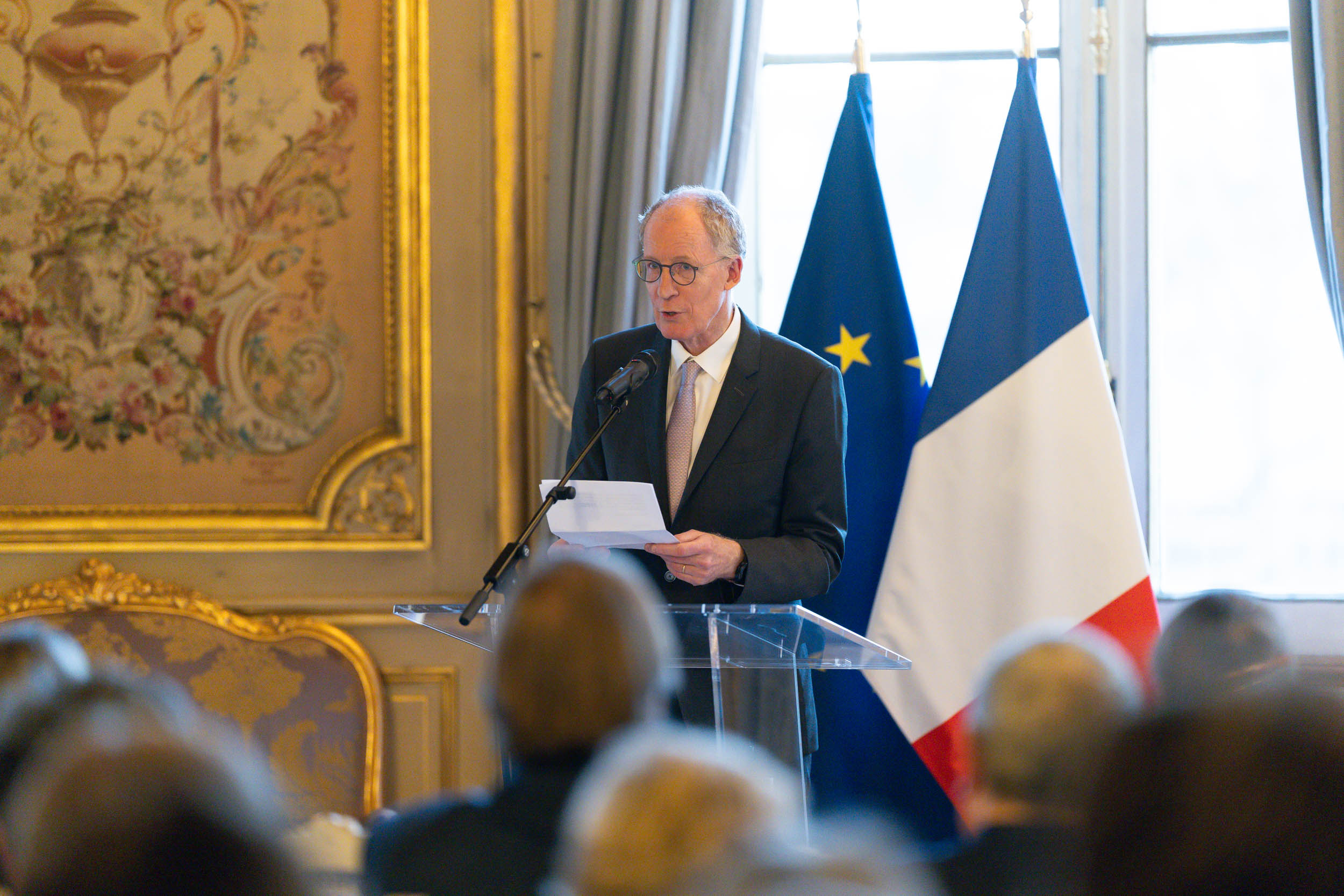
Opened by Anne-Marie DESCÔTES, Secretary General of the Ministry of Europe and Foreign Affairs, the conference-debate, entitled “Guizot and Europe”, was given by Yves Bruley, Correspondant de l’Institut (Académie des sciences morales et politiques) and a specialist in the history of international relations in the 19th century. It was an opportunity to celebrate the first Entente Cordiale, the brainchild of François Guizot, which put an end to Franco-British differences over the question of the Orient and ushered in a long period of cooperation, marked by Napoleon III’s visit to London and Queen Victoria’s to Paris (1855), as well as by the success of the Congress of Paris that put an end to the Crimean War (1856). The first Entente served as a model for the one forged in 1904 by Minister Théophile Delcassé and Ambassador Paul Cambon, whose 120th anniversary is being celebrated this year.
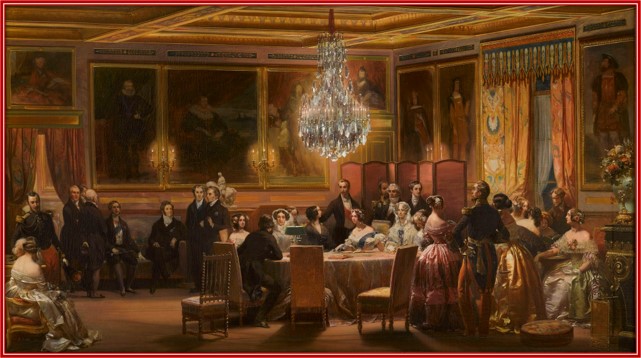
Eugène Lami. Coll. Château de Versailles. Photo RMN.
Read Stephane Coste’s speech, president of the Francois Guizot association